Experiences: Garagart SC
Garagart SC
March, 2026Garagart brews craft beers that are a world apart of those produced by large breweries companies.
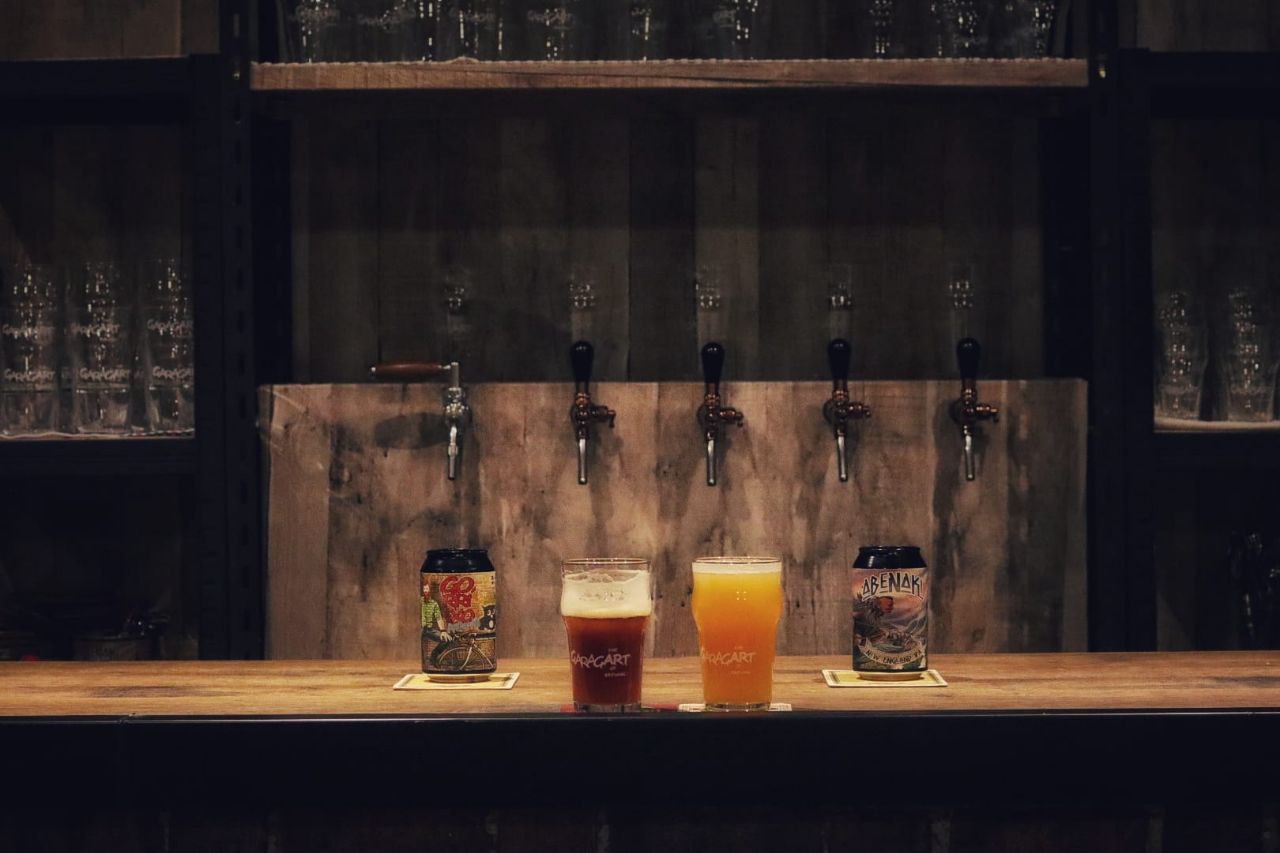
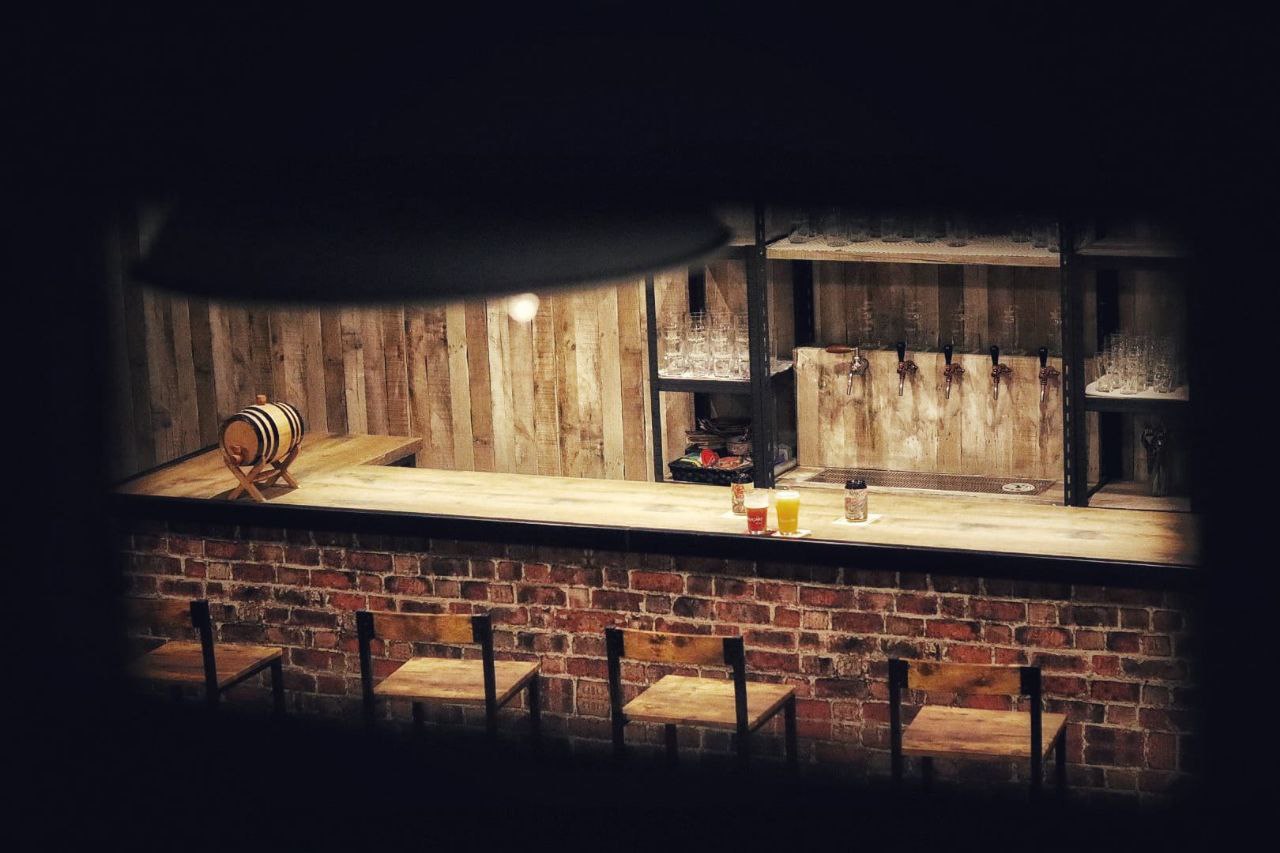
Its taproom is a place where you can take part in activities related to craft beer.
Tell us what your business has to offer
We are a brewery that produces craft beer in Vitoria. We started out in 2014, working at other breweries, and have had our own brewery since 2025.
In addition to brewing beer, we have a taproom—a place where you can sample our beers—which is open on Thursday, Friday, and Saturday afternoons.
We also offer guided tours once a month for anyone curious to learn about both the brewery and our beers.
In short, we’d say that for anyone looking to go beyond traditional beer, we’re the place to taste and discover the unique beers brewed in Vitoria.
What is your unique selling point?
We would break it down into three areas:
First, when it comes to our beers, we offer full-flavored brews, all brewed in-house, with a wide variety of tastes, as we work with different styles. At a time when giant corporations offer bland and boring beers, we offer beers created by two locals from Vitoria.
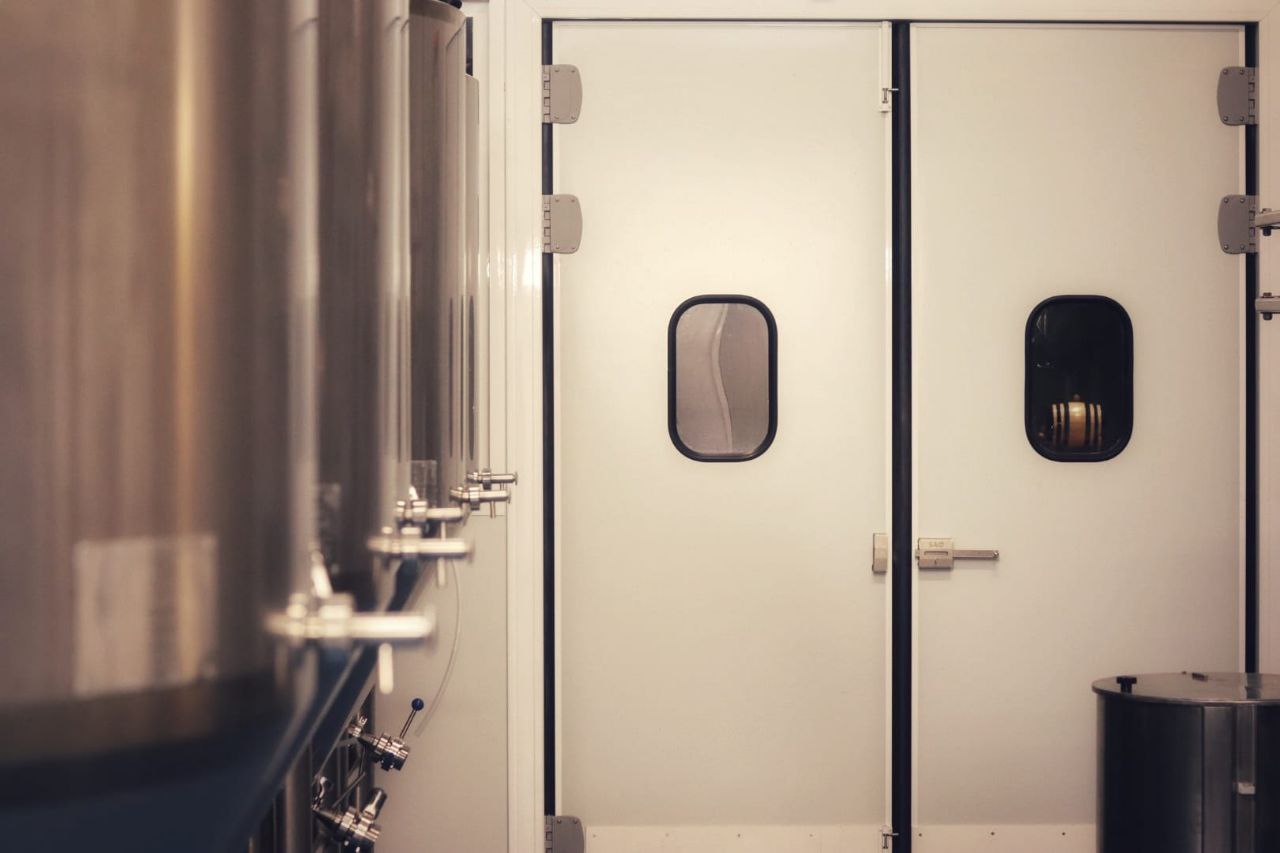
As for the taproom, right where the beer is served—with a view of the brewery—we offer the chance to sample our beers, an option that’s unique to our brewery in Vitoria-Gasteiz. Plus, it’s in a fantastic atmosphere!
Finally, for mobile breweries without their own production facilities, we also offer the opportunity to brew their own beer. After many years in the business, we understand their needs very well.
Who are the people behind “Garagart”?
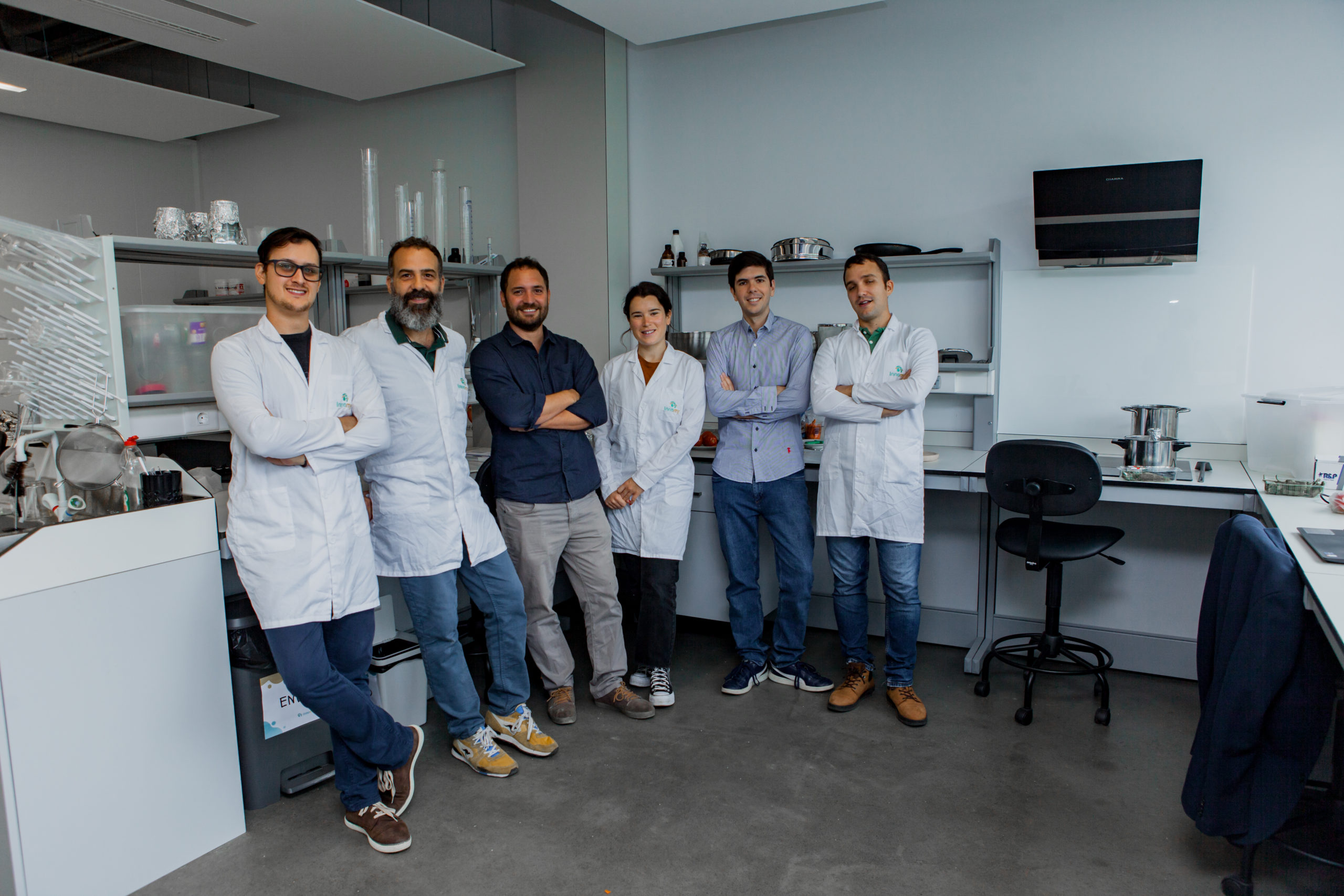
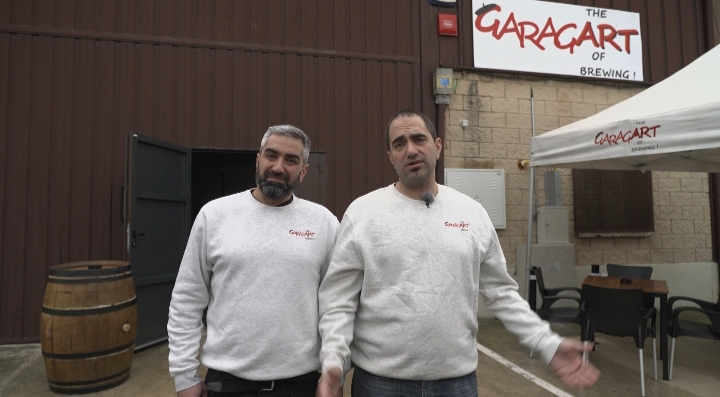
We are the Onandia Sarriugarte brothers: Iñaki and Txomin. We’ve been beer lovers for years, and through a lot of hard work, we’ve turned our hobby into a career.
What have been your biggest challenges over the past few months, and how have you overcome them?
We’d been planning to open our own brewery for quite some time, and it’s taken much longer than expected.
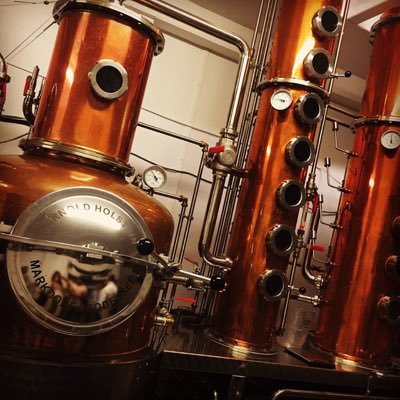
Since there are no breweries in Vitoria, we’ve had to start from scratch. We had to find the right location, adapt the space for our operations, select and install the necessary equipment, and get everything up and running.
Probably the biggest challenge has been dealing with the bureaucracy, which has made the entire process incredibly complicated. With very long wait times and demands that were often incomprehensible.
By working very hard—and despite often feeling like throwing in the towel—we fought through it and managed to overcome the obstacles.
What new projects are you working on?
We are developing new beers in addition to our regular lineup. We are also exploring the possibility of creating a gluten-free option.
We’ve only been operating the brewery for a short time, and we’re working to implement the improvements we’ve identified during the startup phase so we can offer our customers the highest possible quality.
As for the taproom, we’d like to start hosting events and activities in the spring.
How do you envision the company in 10 years? (product line, markets, employees, etc.)
The craft beer market is currently considered to be stabilizing; in other words, after strong growth in recent years, it is now settling into a more realistic level.
We believe the upward trend will continue in the coming years. However, up until now, growth has been driven by groundbreaking styles or extreme flavors. We expect that, in the coming years, more or less classic styles will gain prominence.
In our opinion, non-alcoholic beers will also continue the upward trend they have experienced in recent years.
As far as we’re concerned, in 10 years, we’d like to be in a more stable position than we have been in recent years. A financially sound company, as well as one of the leading names in craft beer in Vitoria-Gasteiz, and we’d like to see the workload we have today shared among more people.
How has the Basque public sector helped you?
This question leaves a bitter taste in our mouths.
Despite the grants we received and the support we got in carrying out the project—all of which made the process easier—it has actually made our relationship with government agencies more difficult.
The government’s requirements have been very high, but the response we’ve received afterward, both in terms of timing and in resolving our questions, hasn’t lived up to those expectations. We have often felt that it has been an obstacle course.
Although we believe that government agencies want to support entrepreneurs, the burden of bureaucracy is significant, and there are so many requirements to meet that it is very difficult to carry out this type of project.
What advice would you give to someone just starting out?
To work hard, even though I often feel like giving up, to hang in there and keep fighting. Even though the difficulties often seem insurmountable, and even though it’s hard, they’ve made progress.
You’ve just opened the first tap room in Vitoria-Gasteiz, marking the end of your nomadic production phase. What stands out to you about the process?
On the one hand, as travelers or nomads, we’ve always felt, without a fixed home, as if we were ghosts. People knew us, but we didn’t have a physical place, a corner to call our own. Now, we feel at home.
On the other hand, we’ve gained much greater control over our process, deepening our understanding of our beers, and as a result, we’ve improved their quality.
The beverage industry is changing—how do you see different types of beverages appealing to younger consumers?
In recent years, there have been two major changes in the beverage industry.
Younger people are consuming fewer alcoholic beverages for two main reasons. On the one hand, many young people are leading healthier lifestyles; on the other hand, since the pandemic, the social scene at local bars has dwindled significantly, greatly diminishing the nightlife scene.
At the same time, the cost of living has risen sharply, which has also impacted beverage consumption, leading to a decline in consumption.
The goal of craft beer should be to promote quality consumption. In other words, to encourage people to drink less but better.