
The second report on food waste in the Basque food supply chain, prepared by Elika Fundazioa, has been published.
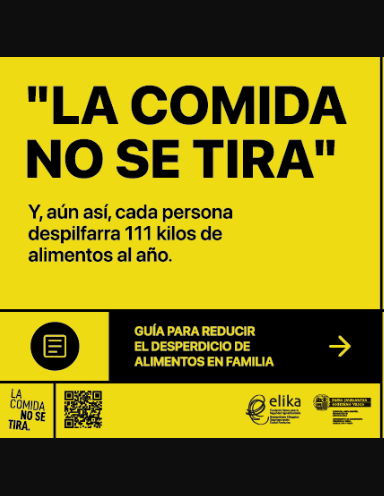
The study estimates that 247,668 metric tons of food waste are generated annually in the Basque Country, equivalent to 111.65 kilograms per person per year. This figure represents a 1.1% increase compared to 2022, similar to the growth recorded in the Basque population during that period.
The assessment also confirms significant progress in some parts of the food chain. Basque households have reduced their food waste by 10.97%, which amounts to nearly seven kilograms less per person per year. Even so, they remain the primary source of waste, accounting for approximately half of the total generated.
“This analysis allows us to better understand where losses occur and to direct public policies toward areas where there is the greatest room for improvement. The Basque Country has been working on this issue for years and now has a solid foundation to continue reducing food waste through collaboration among government agencies, businesses, and citizens,” emphasized Regional Minister Amaia Barredo.
The report notes that 97% of food waste is concentrated in the final links of the chain—namely, households, the hospitality industry, and distribution—which shows that the main challenge remains in food consumption and final food management.
Among the most positive figures is the progress made by the food processing sector, which has reduced waste by 70% compared to 2022. It currently generates 2,317 metric tons annually, down from the 7,720 metric tons recorded in the previous measurement. This improvement is mainly due to the fact that more than 98% of industrial byproducts are now recovered and reused.
The distribution sector has also shown favorable progress, with a 17.6% reduction compared to 2022. It currently accounts for 21% of total waste, down from 26% four years ago.
Meanwhile, the HORECA sector has seen an increase in recorded figures, primarily due to improvements in waste collection and characterization, particularly for non-edible waste streams. Food scraps and overproduction remain the main causes identified in this sector.
“Today we have more precise tools to identify which portion of waste can be prevented and where we should focus our efforts. The data show that the greatest potential for reduction lies in households, the food service industry, and distribution, so that is where we must strengthen our efforts in raising awareness, providing training, and promoting food utilization,” emphasized Arantza Madariaga, director of Elika Fundazioa.
Prepared for the Challenges Ahead
The results will also serve as the basis for the new 2026–2030 Strategic Plan, which will strengthen awareness-raising and training initiatives, particularly in the sectors with the greatest potential for reduction. The plan will also promote collaboration among government agencies, food chain stakeholders, and social organizations to improve the management of food surpluses and continue moving toward a more efficient, sustainable, and responsible food system.
More information in: https://zerodespilfarro.elika.eus/es/diagnostico-de-despilfarro-en-euskadi


